A Clear Legal Guide for Property Owners
Many property owners in Cape Town are surprised to learn that not all trees can be freely removed, even if they are on private property.
Tree protection in Cape Town is governed by national legislation, heritage law, and municipal by-laws. Removing the wrong tree without permission can lead to serious legal consequences, including fines and stop-work orders.
This guide explains which trees are protected, why they are protected, and what you need to know before any tree removal or major pruning takes place.
Jump to:
Why Tree Protection Matters in Cape Town
Tree protection exists to safeguard:
- Indigenous and ecologically important species
- Heritage landscapes and historic areas
- Biodiversity and long-term environmental stability
In Cape Town, tree protection is not limited to forests or public land. Private property owners also have legal responsibilities, and a lack of awareness is not considered a valid defence.
Trees Protected Under the National Forests Act
At the national level, tree protection is governed by the National Forests Act.
What the National Forests Act Prohibits
The Act protects all trees in natural forests and 47 specific protected tree species. Without a licence or exemption from the Department of Forestry, Fisheries and the Environment (DEFF), no one may:
- Cut, disturb, damage, or destroy a protected tree
- Possess, collect, remove, transport, sell, or donate any part or product of a protected tree
This applies regardless of whether the tree is alive or dead.
Pruning Rules for Protected Trees
Limited pruning is allowed without a licence, provided it:
- Does not exceed 25% of the tree’s canopy
- Does not compromise the tree’s health or structure
Any pruning beyond this threshold requires prior authorisation.
Champion Trees
Trees listed as Champion Trees under the National Forests Act receive the same level of legal protection as protected species. These are trees of exceptional size, age, or historical significance.
List of Protected Trees in South Africa
Below is the official list of protected tree species, many of which occur in or around the Western Cape and Cape Town. If you have one of these trees on your property, removal or major disturbance requires authorisation. Not every tree on a property is protected: some exotic species are listed invasives that the owner must control instead. See invasive trees in Cape Town, and for gums specifically, gum trees in Cape Town.
Examples of Protected Trees (Full Legal List)
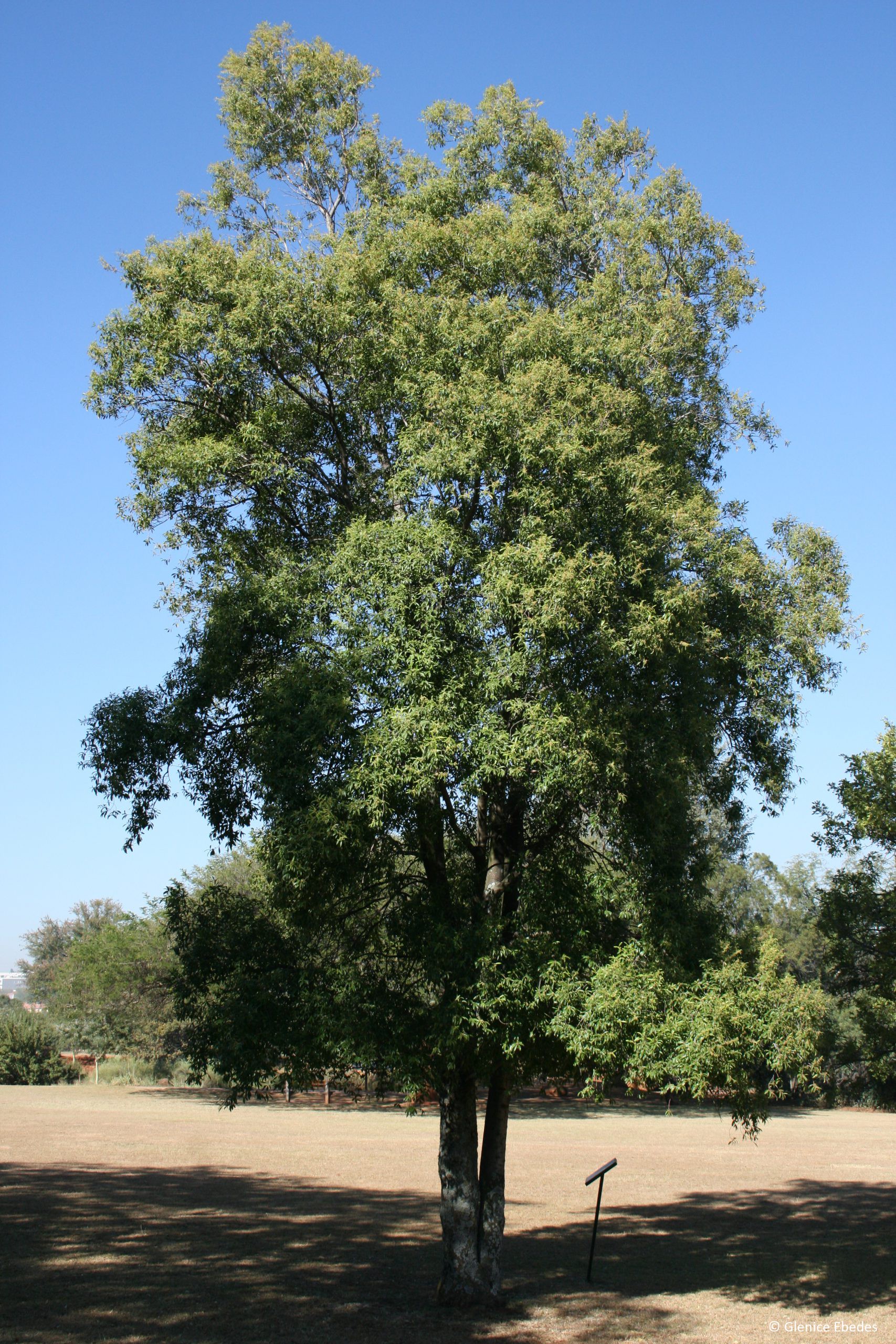
- Apple-leaf – Philenoptera violacea
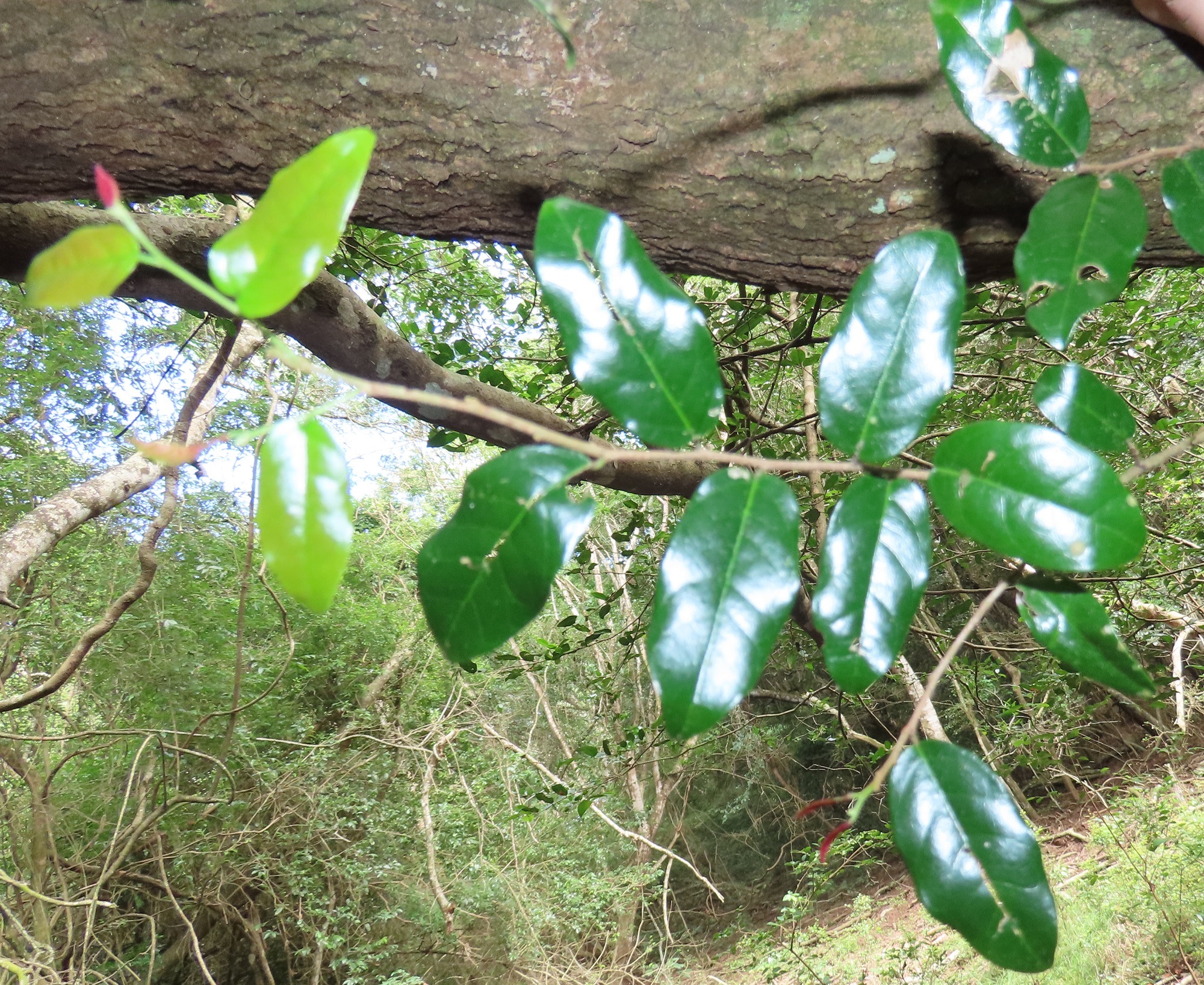
- Assegai – Curtisia dentata
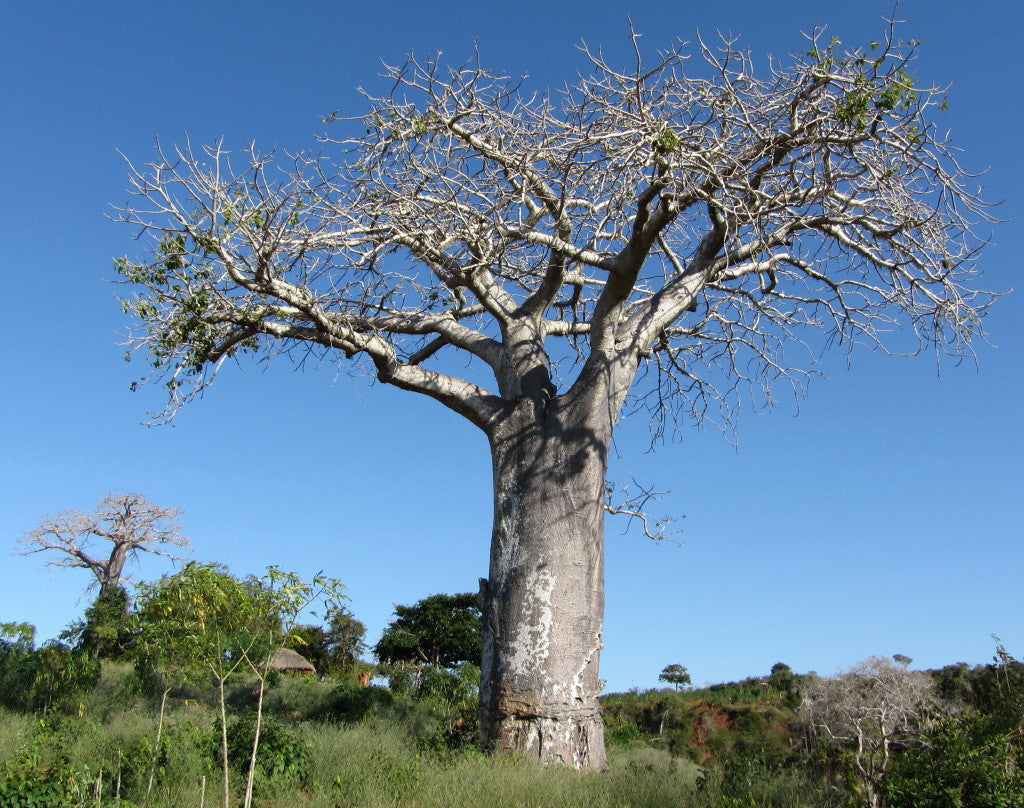
- Baobab – Adansonia digitata
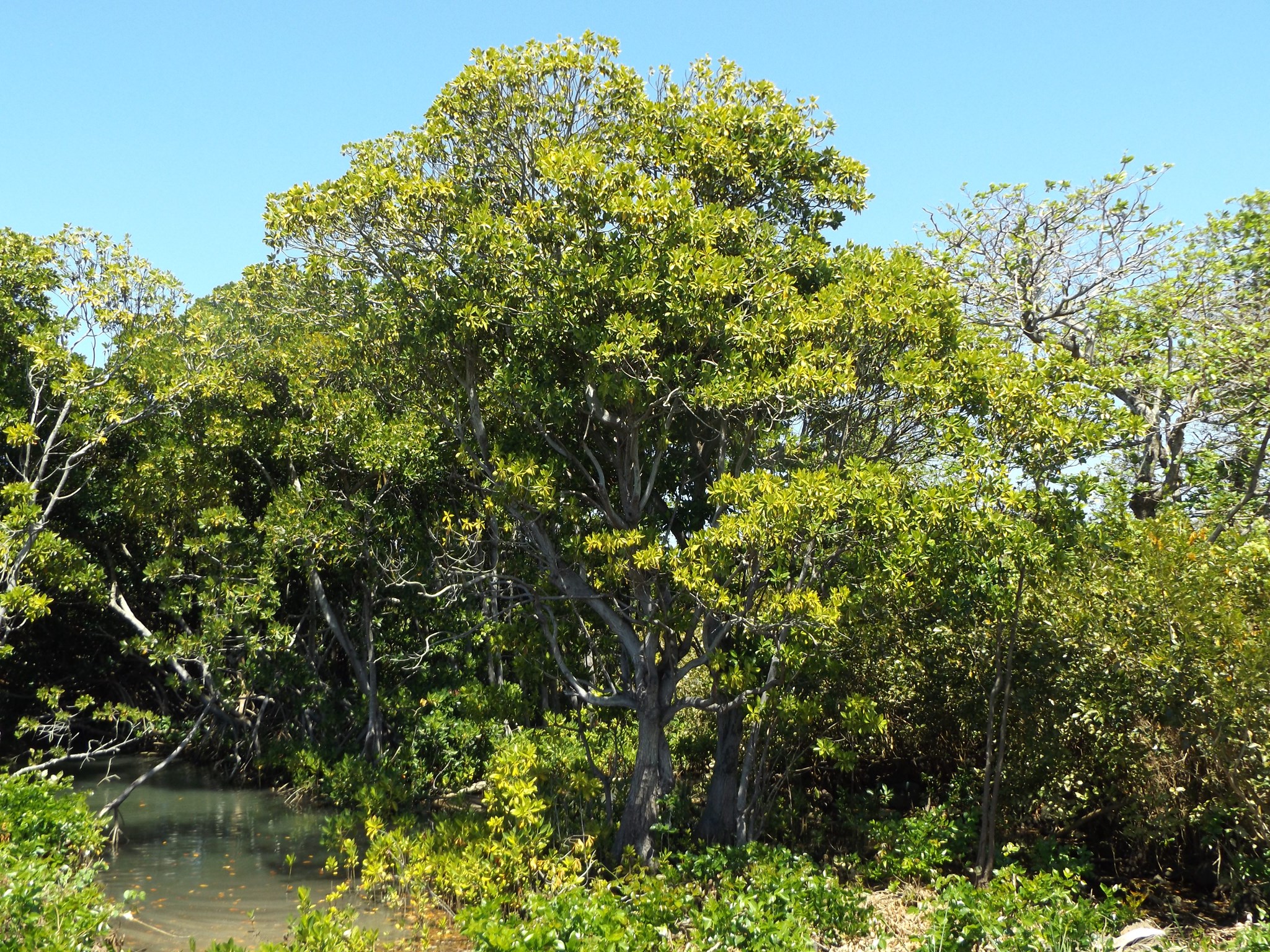
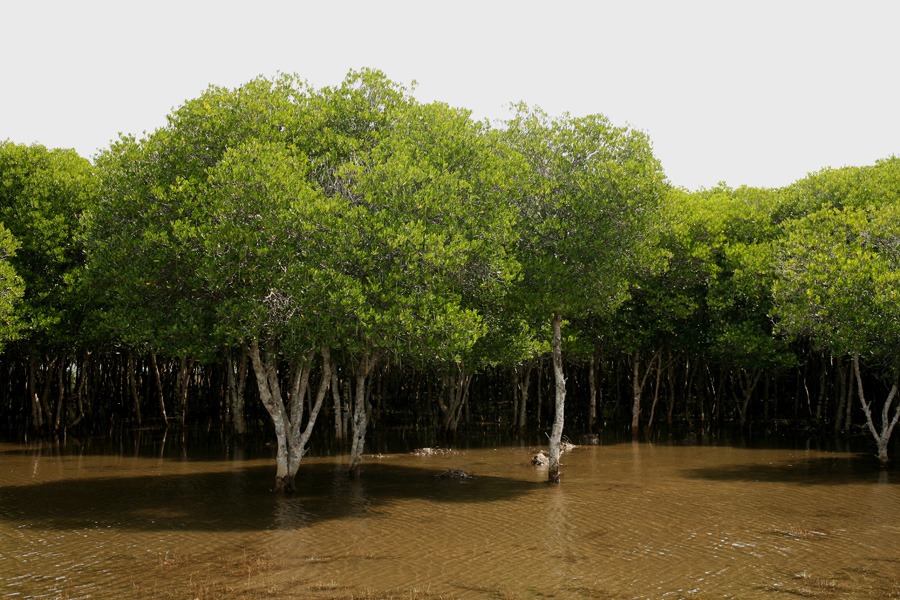
- Black mangrove – Bruguiera gymnorrhiza
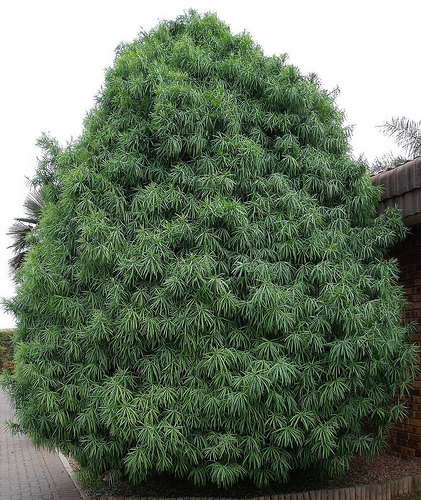
- Breede River yellowwood – Podocarpus elongatus
- Bushman’s tea – Catha edulis
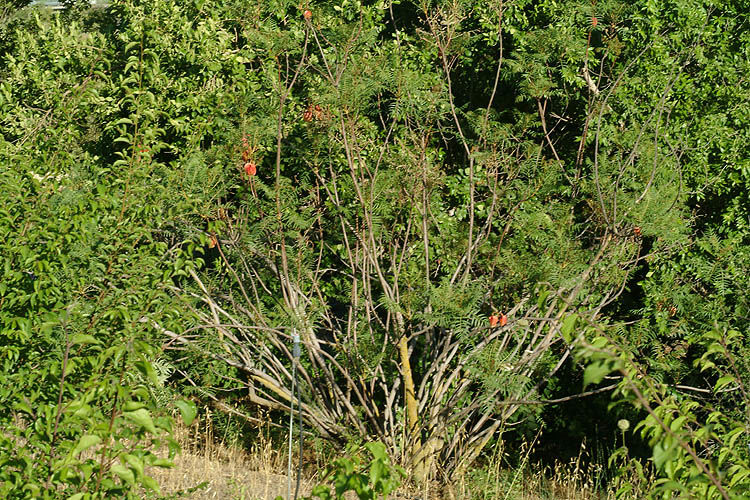
- Bushveld red balloon – Erythrophysa transvaalensis
- Bushveld saffron – Elaeodendron transvaalense
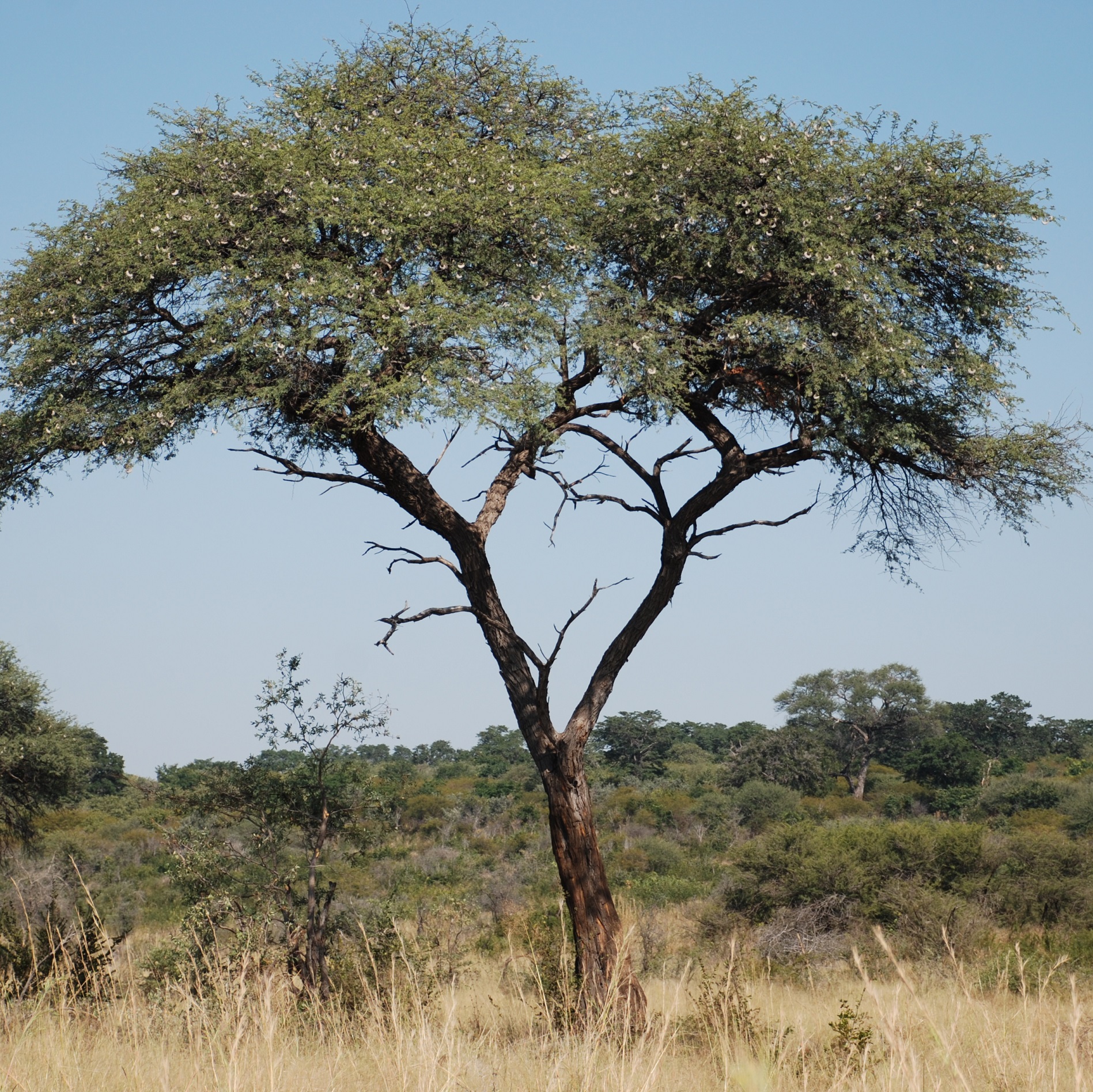
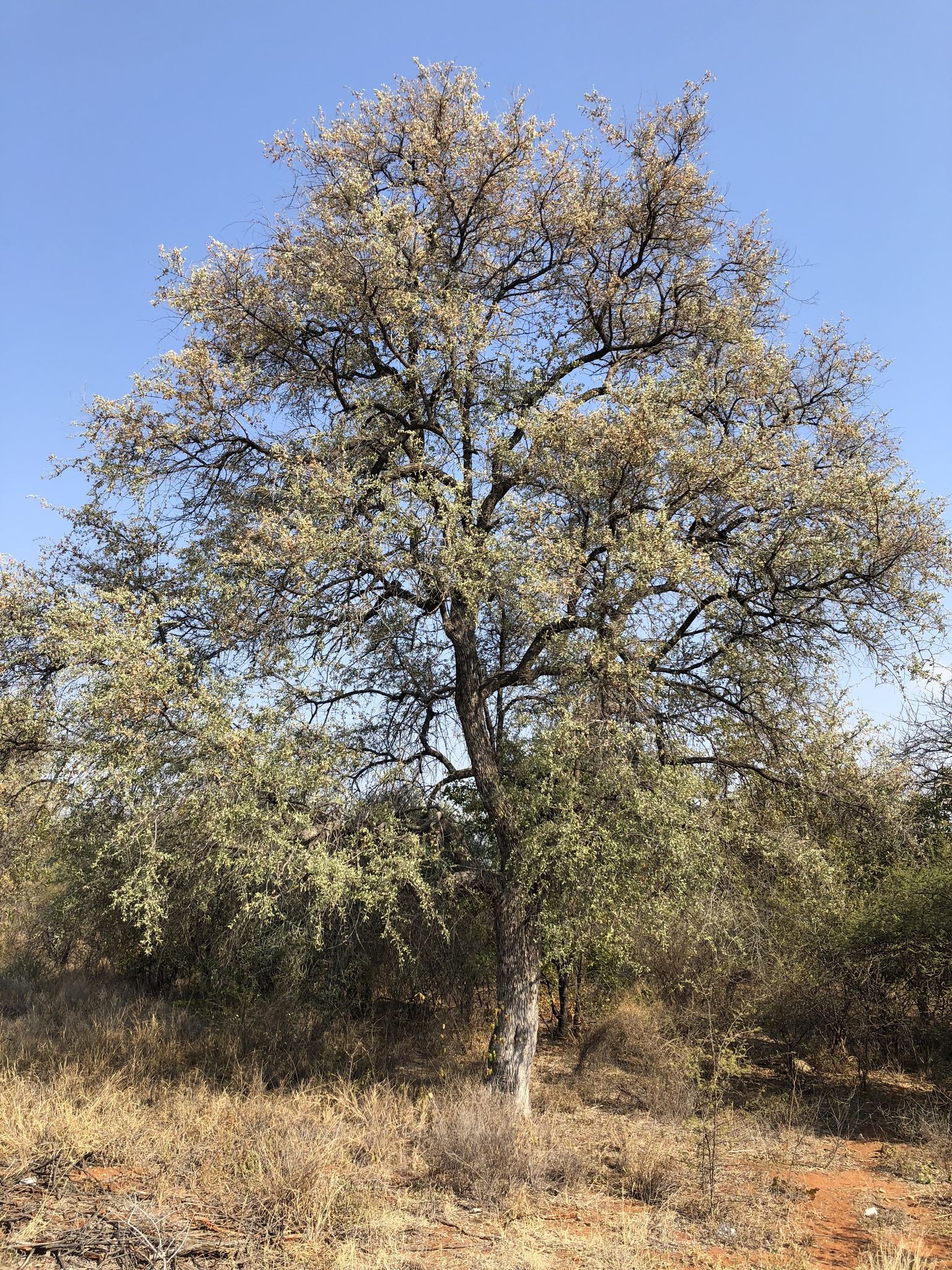
- Camel thorn – Vachellia erioloba
- Cheesewood – Pittosporum viridiflorum
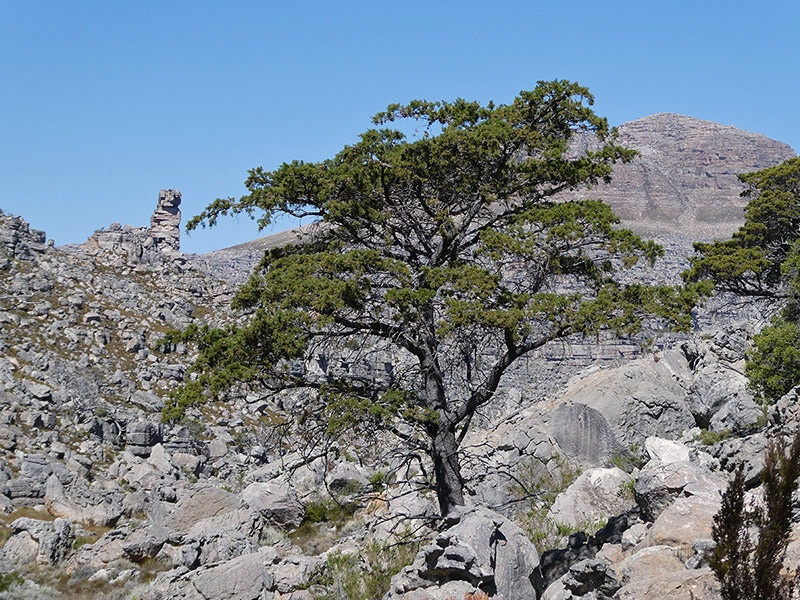
- Clanwilliam cedar – Widdringtonia cedarbergensis
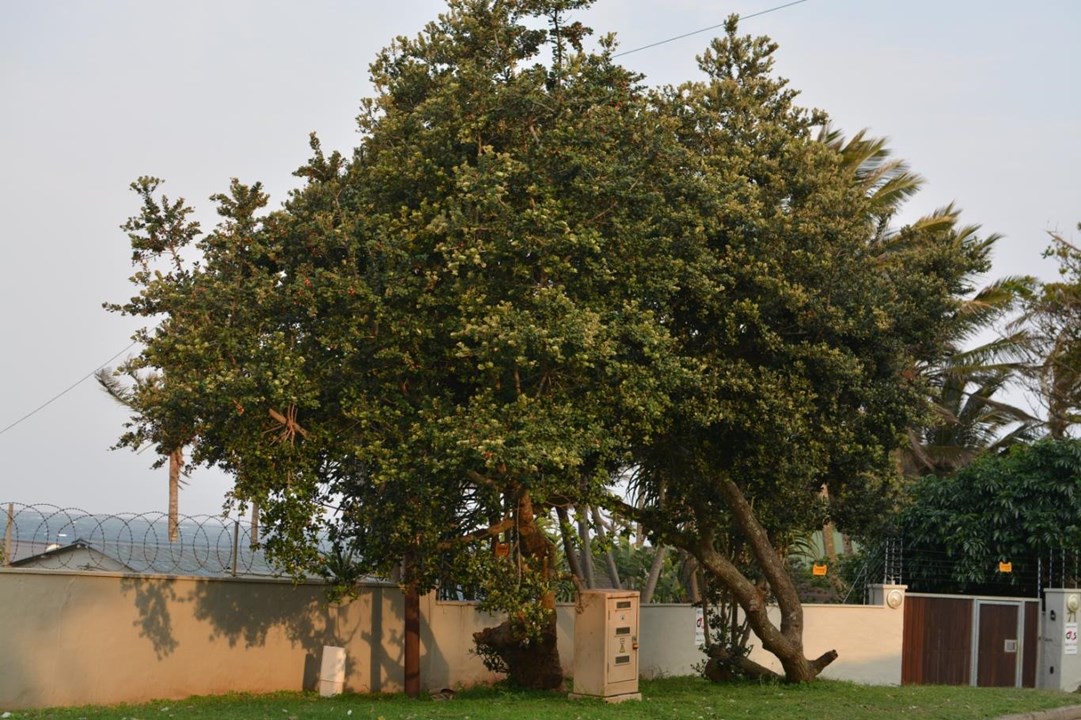
- Coastal red milkwood – Mimusops caffra tea
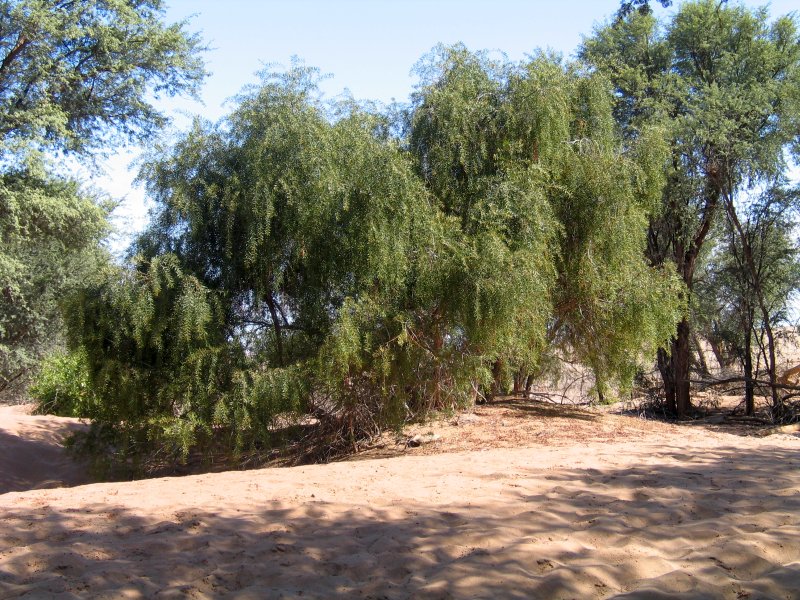
- Ebony guarri – Euclea pseudebenus
- False tamboti – Cleistanthus schlechteri var. Schlechteri
- Gariep resin tree – Ozoroa namaquensis
- Grey camel thorn – Vachellia haematoxylon
- Henkel’s yellowwood – Podocarpus henkelii
- Indian mangrove – Ceriops tagal
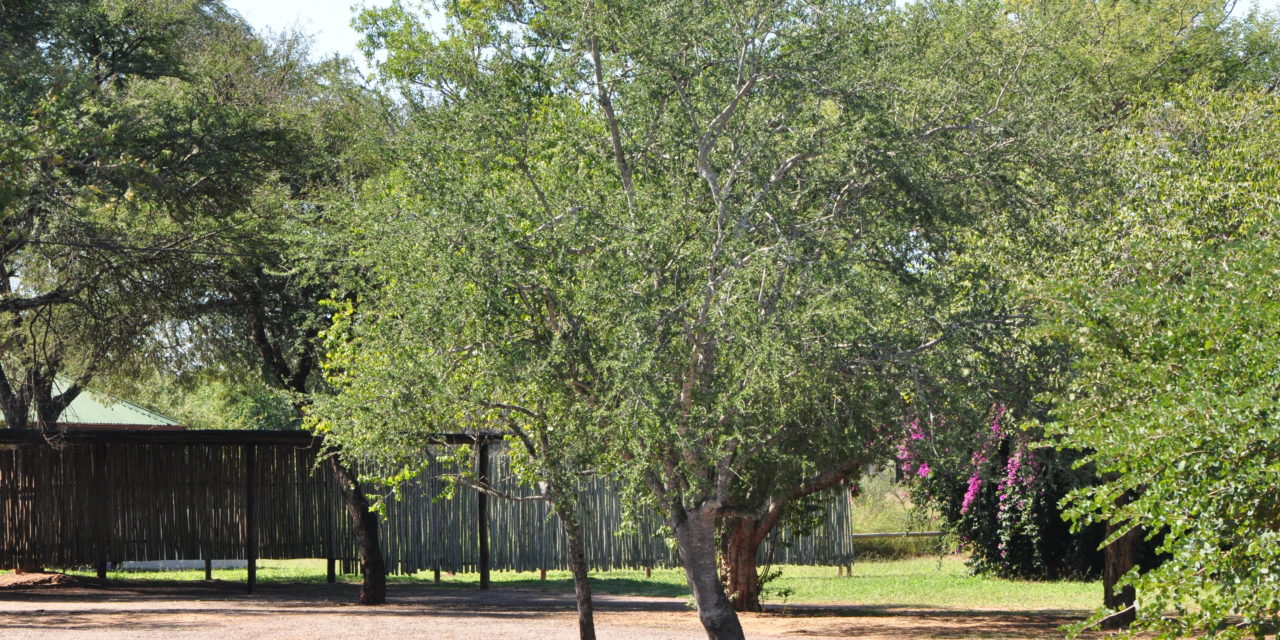
- Leadwood – Combretum imberbe
- Lebombo wattle – Newtonia hildebrandtii var. Hildebrandtii
- Marula – Sclerocarya birrea subsp. Caffra
- Matumi – Breonadia salicina
- Msasa – Brachystegia spiciformis
- Outeniqua yellowwood – Afrocarpus falcatus
- Pepper-bark tree – Warburgia salutaris
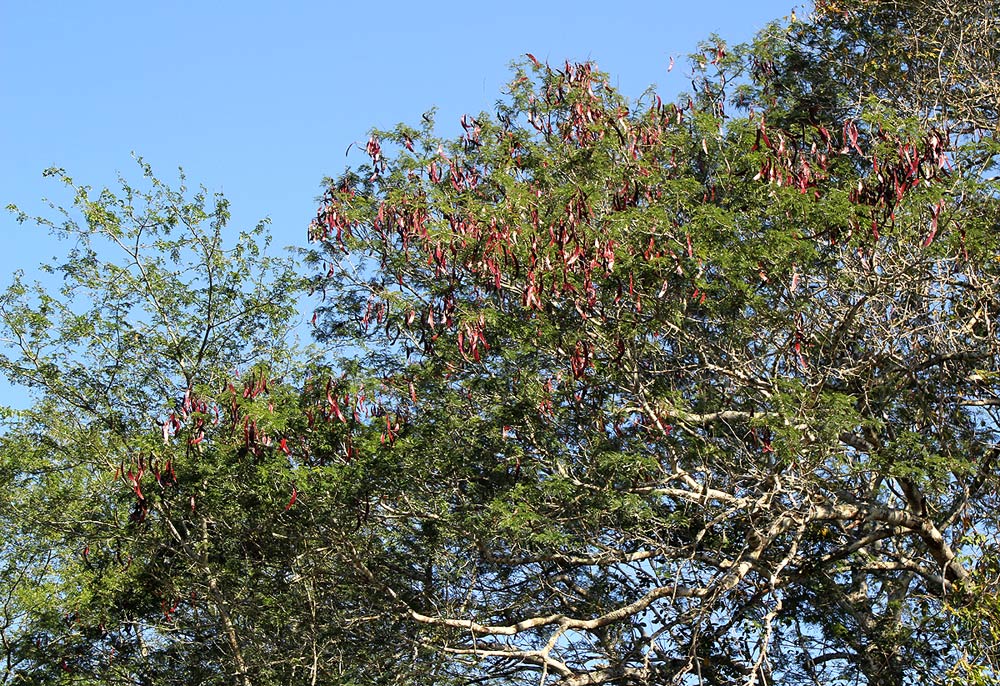
- Pod mahogany – Afzelia quanzensis
- Pondo bushman’s tea – Lydenburgia abbottii
- Pondo poison pea – Tephrosia pondoensis
- Pondo weeping thorn – Colubrina nicholsonii
- Powderpuff tree – Barringtonia racemosa
- Real yellowwood – Podocarpus latifolius
- Red mangrove – Rhizophora mucronata
- Red stinkwood – Prunus africana
- Saddleback sugarbush – Protea comptonii
- Sekhukhuni bushman’s – Lydenburgia cassinoides
- Serpentine sugarbush – Protea curvata
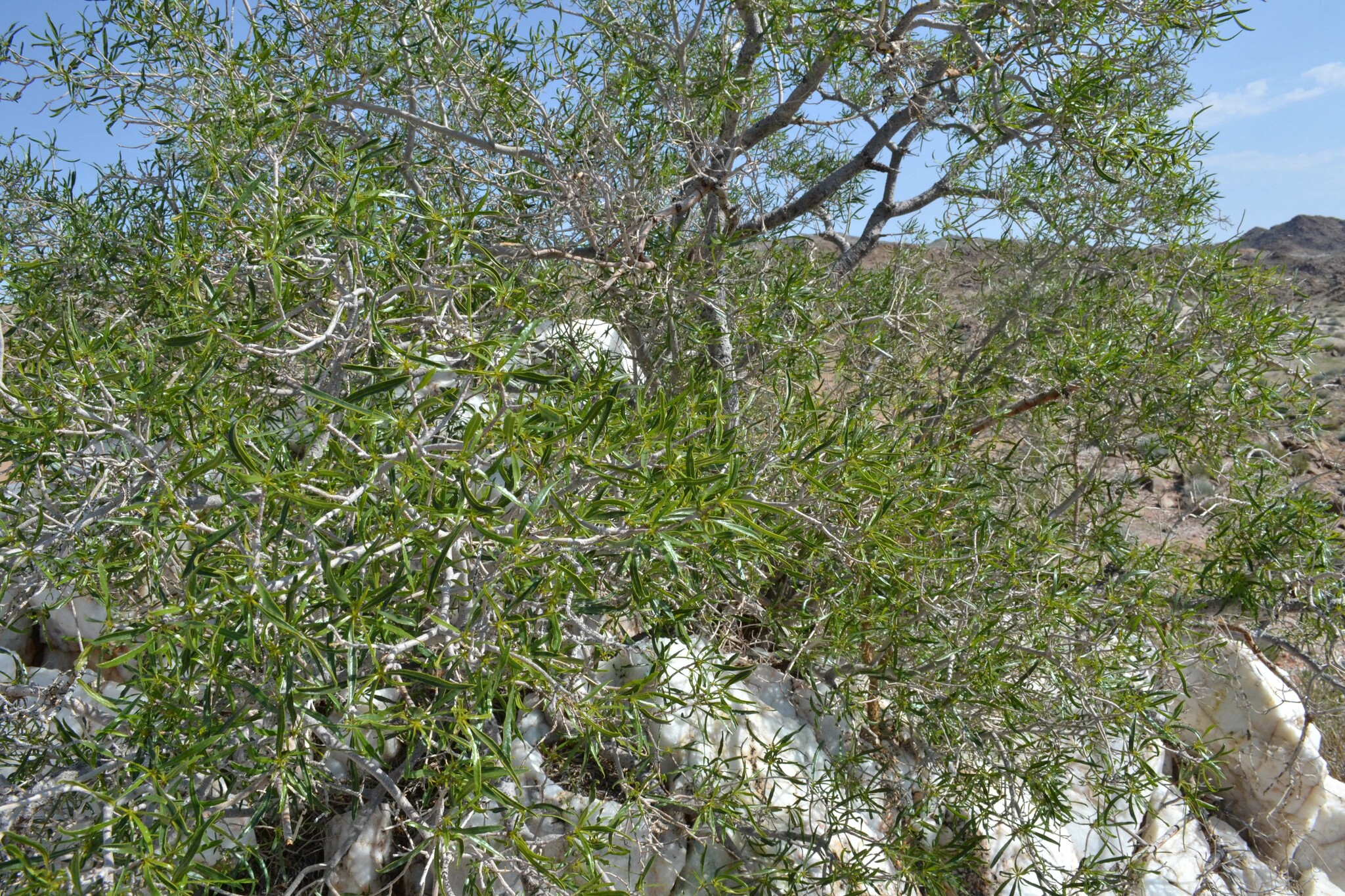
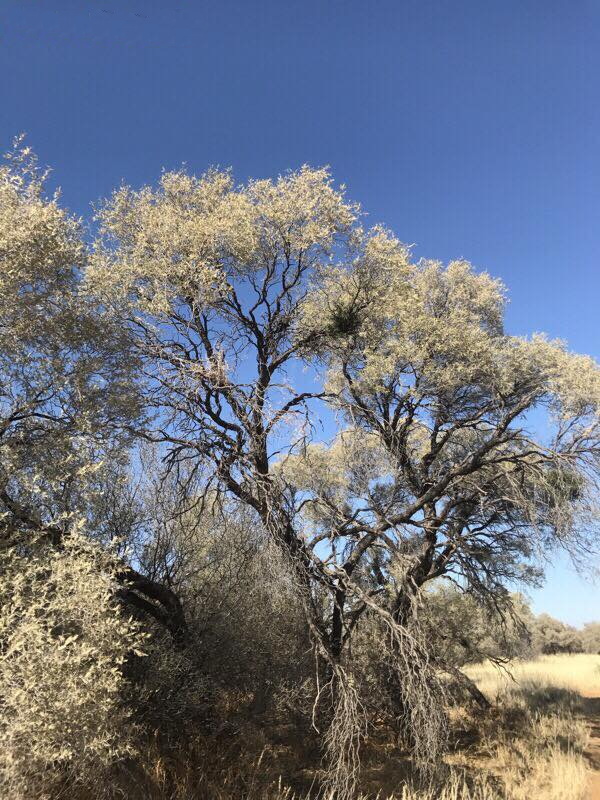
- Shepherd’s tree – Boscia albitrunca
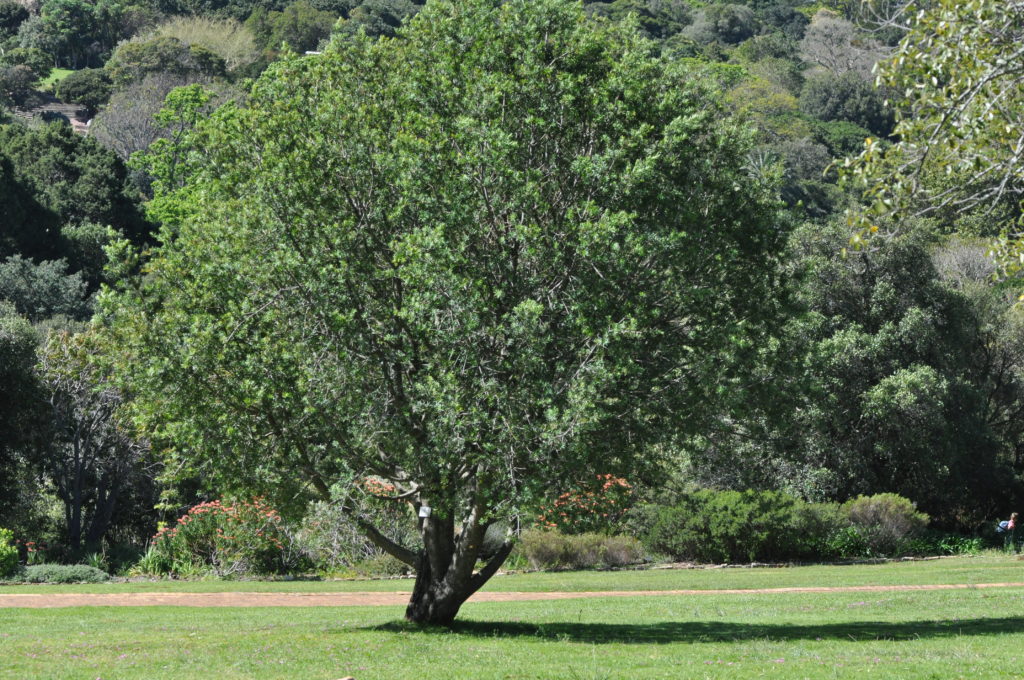
- Silver tree – Leucadendron argenteum
- Stinkwood – Ocotea bullata
- Swamp fig – Ficus trichopoda
- Swazi onionwood – Cassipourea swaziensis
- Torchwood – Balanites maughamii
- Tonga mangrove – Lumnitzera racemosa var. Racemosa
- Violet tree – Securidaca longepedunculata
- White milkwood inerme – Sideroxylon inerme subsp.
- Wild teak – Pterocarpus angolensis
- Willowmore cedar – Widdringtonia schwarzii
Important: This is not an “identify it yourself” situation. Many protected species are misidentified. Professional assessment is strongly recommended.
Tree Protection Under Heritage Law
Tree protection in Cape Town is also governed by the National Heritage Resources Act (NHRA).
Developments That Include Tree Removal
In terms of the NHRA, any development that includes the removal or destruction of trees requires:
- A Notification of Intent to Develop (NID)
- Approval from Heritage Western Cape
This applies even when the tree itself is not a protected species.
Heritage Areas and Overlay Zones
Certain areas of Cape Town are designated heritage areas or overlay zones, including:
- Bakoven
- Clifton
- Glen Beach Bungalow Area
In these areas, no mature tree may be removed without prior City approval, regardless of species.
Trees Protected by the City of Cape Town
Trees on City Land
All trees on City-owned land are protected, including:
- Street verge trees
- Trees in parks and public open spaces
These trees may not be pruned or removed without written permission from the City’s Recreation and Parks Department. For who to contact, and when the City will prune or remove a street tree, see street and verge trees in Cape Town.
This protection is reinforced by multiple City policies and by-laws, including:
- Public Parks By-law
- Tree Management Policy
- Streets and Public Places By-law
Other Ways Trees Can Be Legally Protected
Tree protection is not limited to species or location.
Trees may also be protected through:
- Title deed restrictions
- Planning approval conditions
- Town planning schemes
- Heritage Protection Overlay Zones (HPOZs)
Importantly, tree root zones matter. Even if a protected or City tree is on a neighbouring property, its root system extending onto your land can still trigger legal requirements. For disputes over a neighbour’s tree, see what South African law says about a neighbour’s tree overhanging your property.
When submitting building plans, applicants are legally required to disclose trees that may be affected. Failure to do so can constitute misrepresentation or fraud.
What Happens If a Protected Tree Is Removed Without Permission?
Removing or damaging a protected tree without authorisation can result in:
- Substantial fines
- Legal action
- Stop-work orders on developments
- Mandatory restoration or rehabilitation
The consequences often far outweigh the cost of doing the process correctly from the start.
How to Check If a Tree Is Protected
Before removing any tree, it is advisable to:
- Check the City of Cape Town Map Viewer for heritage overlays
- Confirm whether the tree is on City land
- Identify the tree species correctly
- Assess whether heritage or planning approval applies
When in doubt, professional guidance is essential.
We also have a guide on checking if a tree is protected. You can read more information.
What to Do If You’re Unsure
If you are unsure whether a tree is protected, do not proceed with removal.
A professional tree service can:
- Identify the tree species
- Assess legal restrictions
- Advice on permission requirements
- Help prevent costly mistakes
Conclusion
A combination of national law, heritage legislation, and municipal by-laws governs tree protection in Cape Town. Many trees cannot be removed without prior approval, even on private property.
Understanding these rules is not just about compliance; it’s about safety, responsibility, and protecting Cape Town’s natural and cultural landscape.
Need expert guidance?
If you are unsure whether a tree on your property is protected, Michael’s Tree Felling can assist with a professional assessment and guidance before any work begins. We take a safety-first, responsible approach to every job, protecting you, your property, and the law. We also offer professional tree felling and tree trimming services in Cape Town.
If you are planning to have a tree removed, you may want to start by getting an idea of what affects the cost of tree felling in Cape Town.
 Chat with us